
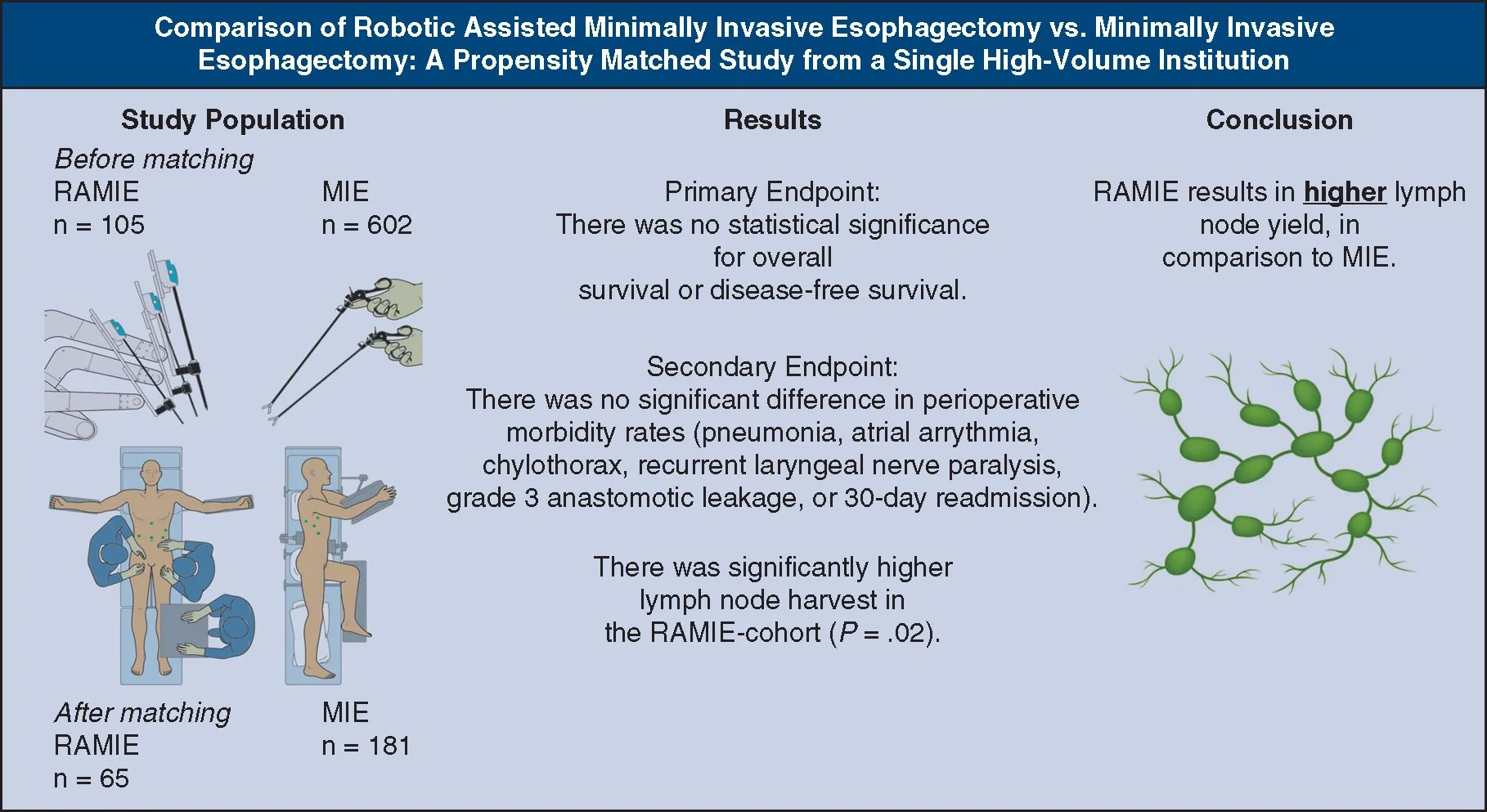
Comparison of robotic-assisted minimallyinvasive esophagectomy versus minimally invasive esophagectomy: Apropensity-matched study from a single high-volume institution
Journal of Thoracic and Cardiovascular Surgery
This study compares short- and long-term oncologic and perioperative outcomes of robotic-assisted versus conventional minimally invasive esophagectomy for esophageal cancer at a high-volume center.
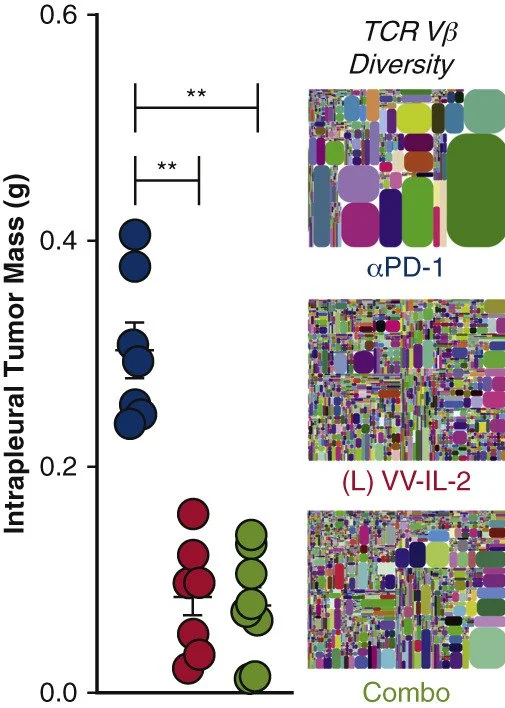
Intrapleural interleukin-2–expressing oncolytic virotherapy enhances acute antitumor effects and T-cell receptor diversity in malignant pleural disease
The Journal of Thoracic and Cardiovascular Surgery
The mainstay of treatment for patients with malignant pleural disease is fluid drainage and systemic therapy. A tumor-specific oncolytic virus or T-cell–activating interleukin-2 immunotherapy may provide an opportunity for local control. We previously developed a vaccinia virus–expressing interleukin-2, an oncolytic virus that mediated tumor regression in preclinical peritoneal tumor models with expansion of tumor-infiltrating lymphocytes. We evaluated the antitumor efficacy and immune modulatory effects of vaccinia virus–expressing interleukin-2 in malignant pleural disease.
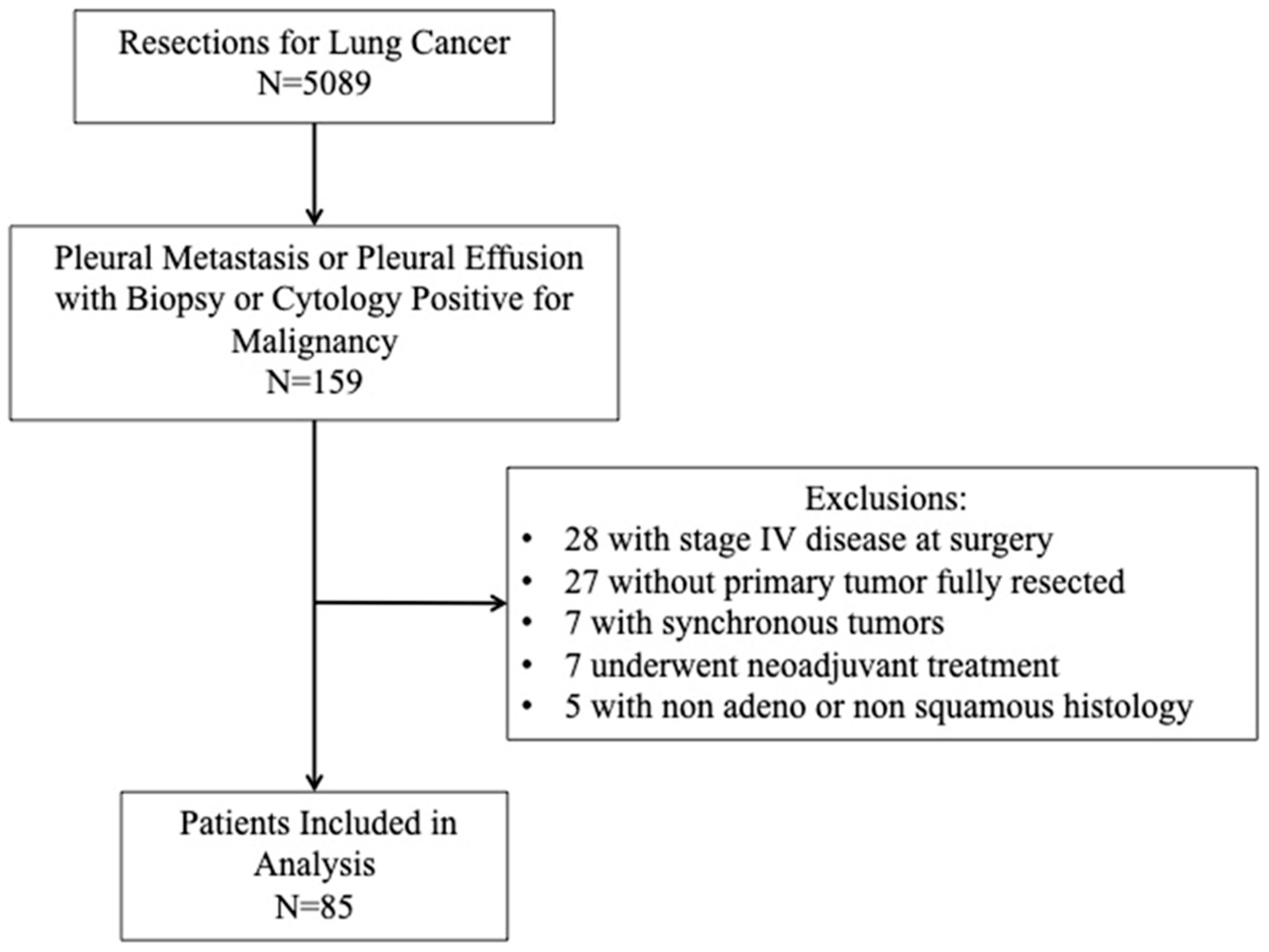
Prognostic Difference of Pleural versus Distant Metastasis after Surgery for Lung Cancer
The Journal of Clinical Medicine
Pleural metastasis as the first recurrence after curative-intent surgery for lung adenocarcinoma is associated with significantly worse survival, suggesting it reflects aggressive systemic disease rather than a localized process.
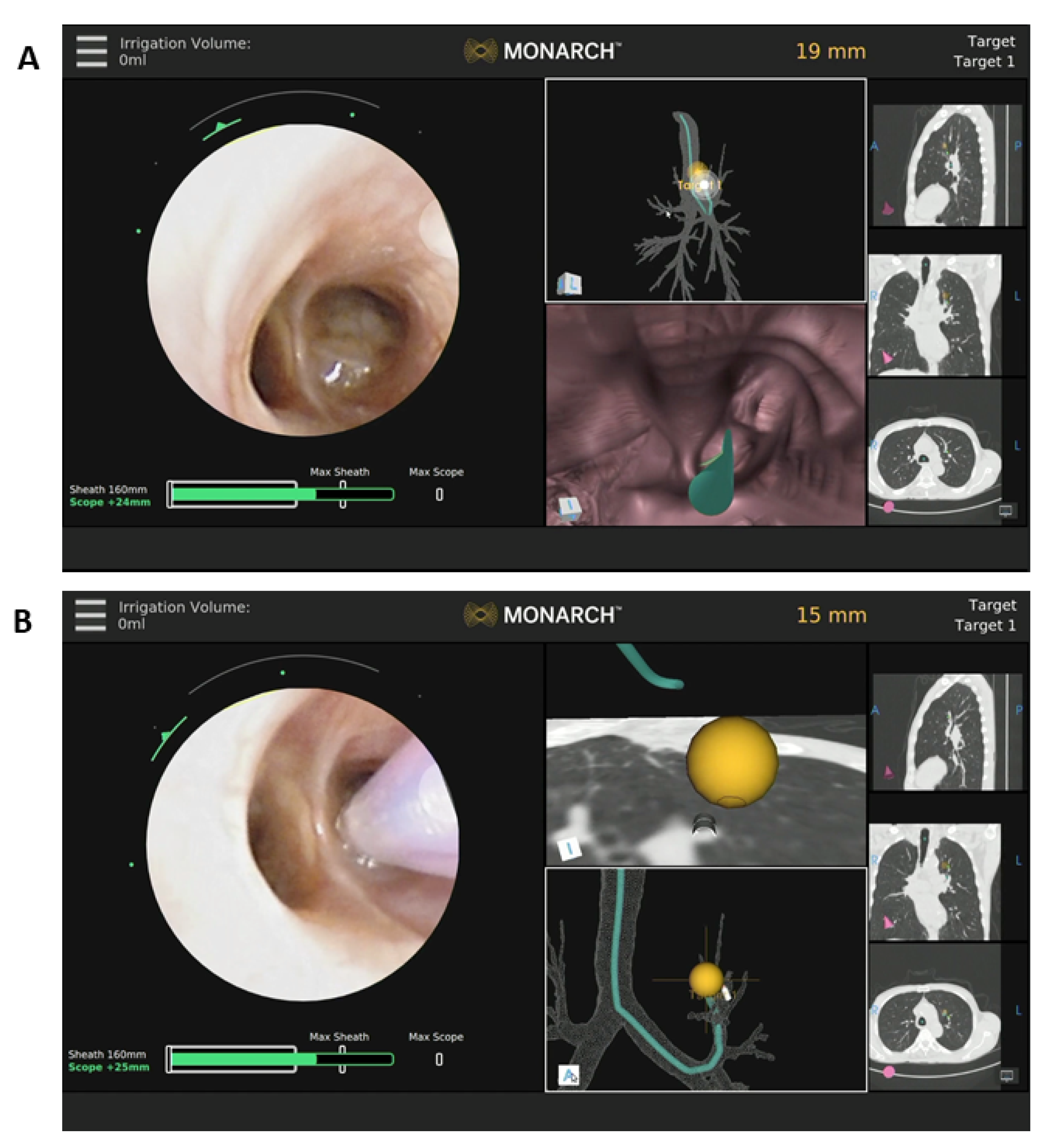
Lung Nodule Evaluation Using Robotic-Assisted Bronchoscopy at a Veteran’s Affairs Hospital
The Journal of Clinical Medicine
In this early experience, robotic-assisted bronchoscopy demonstrated a high diagnostic yield with no procedural morbidity, supporting its safety and effectiveness for evaluating pulmonary nodules.
Total Robotic Resection for Superior Sulcus Tumors: Technical Description and Case Series
Annuls of Thoracic Surgery
The surgical approach to superior sulcus tumors (SSTs) includes a radical en bloc resection of the chest wall near the thoracic inlet, upper lobectomy, and lymph node dissection after induction therapy.1 Several open surgical approaches to SST have been described, but the data for minimally invasive approaches are limited to hybrid operations with open chest wall resection.2 Robotic-assisted thoracic surgery (RATS) pulmonary resection has become popular during the last decade, and its application to simple and complex cases is promising.3 Robotic approaches to SST are reported in a few case reports,3-5 but they are also limited to hybrid approaches. We describe our technique and experience of total robotic resection of SST with video.
Improved outcomes with robotic-assisted laparoscopic paraesophageal hernia repairs compared with laparoscopic and transthoracic approaches: A single high-volume institution experience
The Journal of Thoracic and Cardiovascular Surgery
Laparoscopic (lap) paraesophageal hernia repair has excellent short-term outcomes but higher long-term recurrence rates compared with the transthoracic repair. We hypothesized that the robotic-assisted lap (robot) approach would have similarly good short-term outcomes as lap, but also lower recurrence rates.
Fighting Fire With Fire: Oncolytic Virotherapy for Thoracic Malignancies
Annals of Surgical Oncology
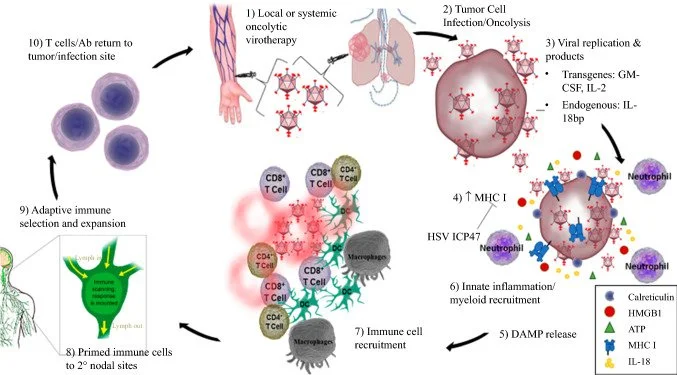
Thoracic malignancies are associated with high mortality rates. Conventional therapy for many of the patients with thoracic malignancies is obviated by a high incidence of locoregional recurrence and distant metastasis. Fortunately, developments in immunotherapy provide effective strategies for both local and systemic treatments that have rapidly advanced during the last decade. One promising approach to cancer immunotherapy is to use oncolytic viruses, which have the advantages of relatively high tumor specificity, selective replication-mediated oncolysis, enhanced antigen presentation, and potential for delivery of immunogenic payloads such as cytokines, with subsequent elicitation of effective antitumor immunity. Several oncolytic viruses including adenovirus, coxsackievirus B3, herpes virus, measles virus, reovirus, and vaccinia virus have been developed and applied to thoracic cancers in preclinical murine studies and clinical trials. This review discusses the current state of oncolytic virotherapy in lung cancer, esophageal cancer, and metastatic malignant pleural effusions and considers its potential as an emergent therapeutic for these patients.
Surgical Techniques for Robotically-Assisted Laparoscopic Paraesophageal Hernia Repair
Thoracic Surgery Clinics
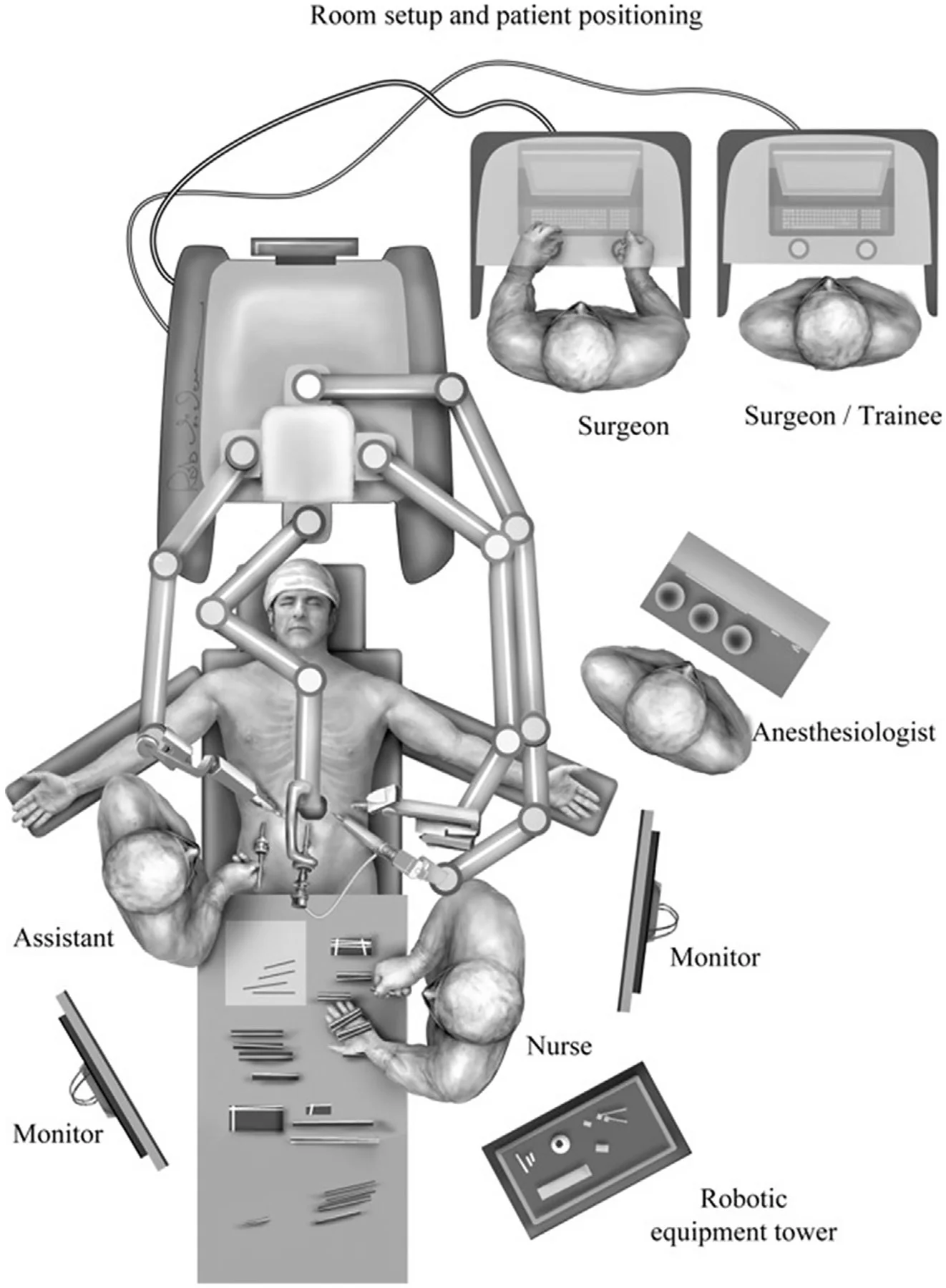
The surgical approach to giant paraesophageal hernia repair has evolved considerably, from an open approach to minimally invasive approaches. Laparoscopic and robotic-assisted approaches to giant paraesophageal hernia have been considered safe and are associated with less morbidity and mortality. Limited data exist comparing the efficacy between laparoscopic and robotic-assisted giant paraesophageal hernia repairs, but the benefits of robotic surgery include superior optics and freedom of motion, thus allowing surgeons to accomplish the key points in a successful repair without compromising patient outcomes.
Making cold malignant pleural effusions hot: driving novel immunotherapies
Oncoimmunology
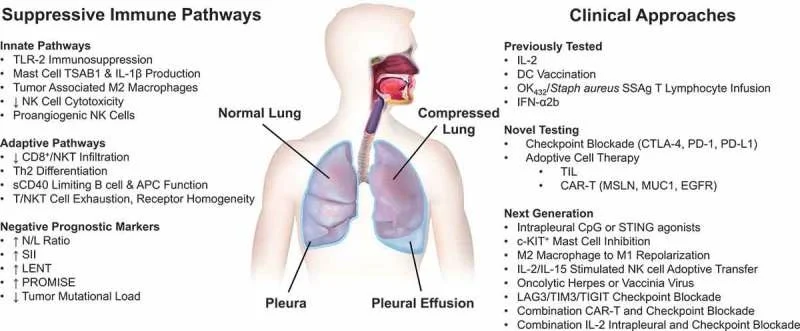
Malignant pleural effusions, arising from either primary mesotheliomas or secondary malignancies, heralds advanced disease and poor prognosis. Current treatments, including therapeutic thoracentesis and tube thoracostomy, are largely palliative. The immunosuppressive environment within the pleural cavity includes myeloid derived suppressor cells, T-regulatory cells, and dysfunctional T cells. The advent of effective immunotherapy with checkpoint inhibitors and adoptive cell therapies for lung cancer and other malignancies suggests a renewed examination of local and systemic therapies for this malady. Prior strategies reporting remarkable success, including instillation of the cytokine interleukin-2, perhaps coupled with checkpoint inhibitors, should be further evaluated in the modern era.